Shirley Temple
The child star who topped Hollywood. Shirley Temple started acting at three and was Hollywood's top box office draw from 1934 to 1938. The story of the most famous child star.
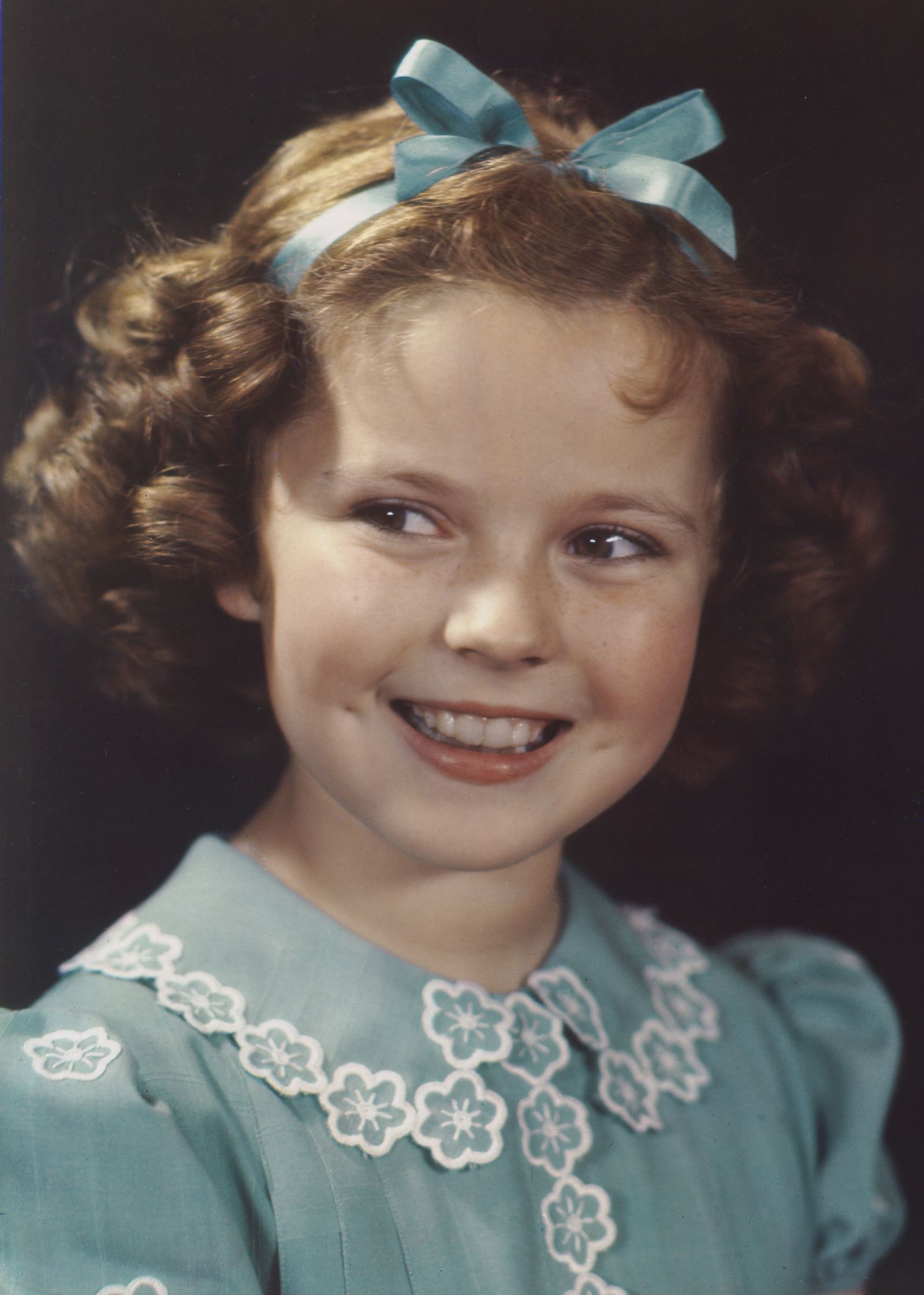
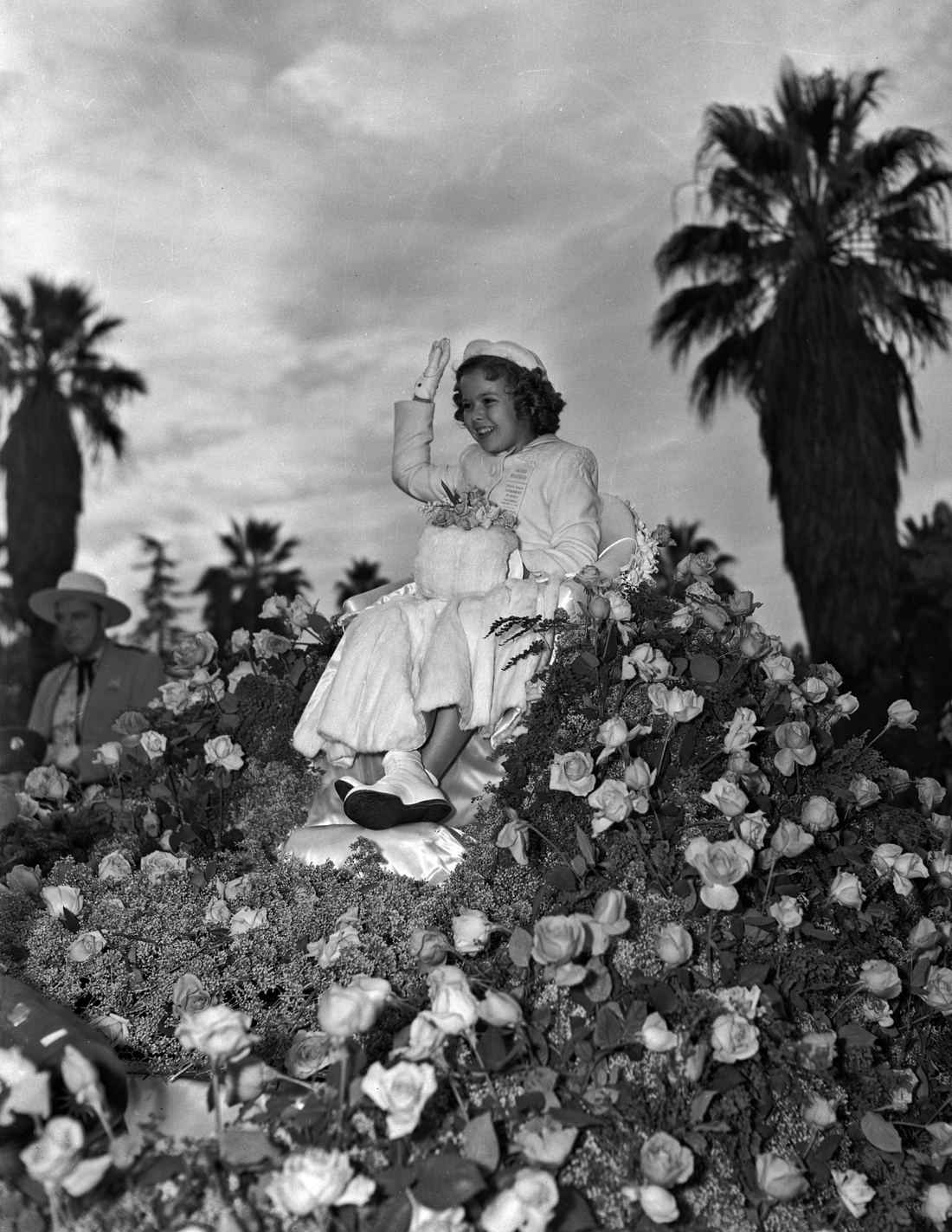
Portrait, 1938: Harry Warnecke / Lee Jennings Elkins, CC0
Starting at three
Shirley Temple was born in Santa Monica, California, in 1928. As a toddler she took dance classes, and at just three years old she was cast in Baby Burlesks, a series of 10-minute comedy shorts in which preschool children played every role.
The work was demanding for such young performers, but it gave her camera experience before most children start school. Within two years she had moved up to feature films at Fox.
A star in one year
1934 was her breakout year. Bright Eyes, a film written with her in mind, included the song On the Good Ship Lollipop, which became her signature tune. Audiences fell for her curls, her dimples and her confident singing and dancing.
In February 1935 the Academy gave her a special miniature Juvenile Award for her contribution to films during 1934. She was the first performer to receive it, at the age of six.
Number one at the box office
From 1934 to 1938 Shirley Temple was Hollywood's biggest box office draw, ahead of every adult star. Her films were credited with helping keep her studio afloat, and her face sold dolls, dresses and books around the world.
Her favorite co-star was the great tap dancer Bill Robinson. They made four films together, beginning with The Little Colonel (1935), and their staircase dance is still one of the most famous dance routines of the era.
Growing up on screen
Like many child stars, she found it harder to land hits as a teenager, when audiences still wanted the little girl they remembered. She kept working through the 1940s, with films such as the comedy The Bachelor and the Bobby-Soxer (1947).
She formally retired from film in 1950, at just 22, after almost two decades in front of the camera. Her career remains the classic example of how quickly child stardom can rise, and how hard it is to keep.
The child star blueprint
Temple's success changed how studios saw children on screen. After her rise, studios searched for the next child star, and look-alike contests for little girls with curly hair were held as far away as Australia.
Her career also showed the pressure of fame at a young age, with long working days, constant publicity and a public image that was hard to outgrow. Later rules for child performers grew out of experiences like these.