Sidney Poitier
The first Black Best Actor winner. Sidney Poitier became the first Black man to win the Best Actor Oscar in 1964. How he went from failed audition to Hollywood history.
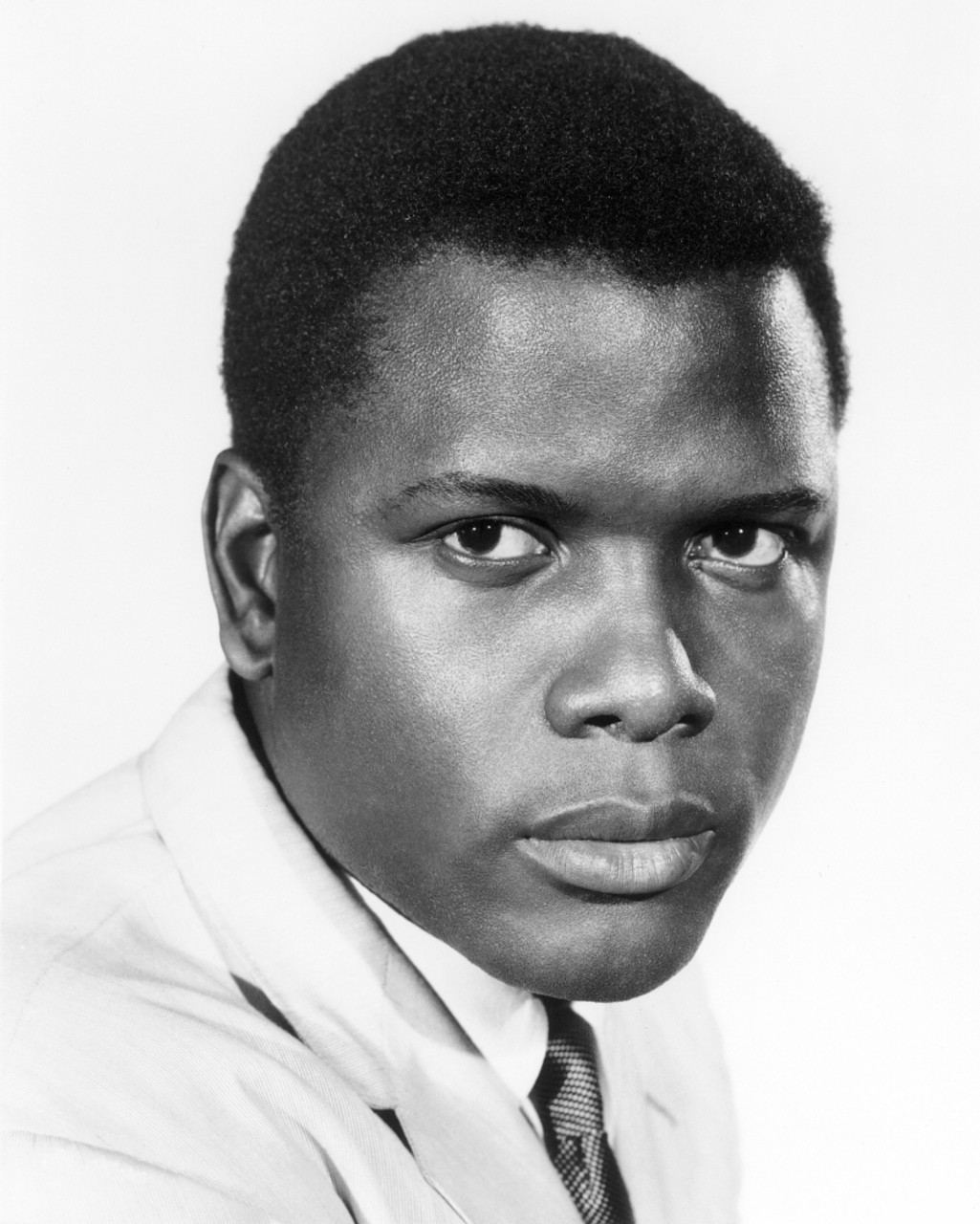
Press portrait, about 1966: Unknown, presumably studio; redistributed by CBS in 1974, Public domain
An island childhood
Sidney Poitier was born in Miami in 1927 while his parents, farmers from the Bahamas, were visiting, and he grew up on Cat Island and later in Nassau. At about sixteen he moved to New York City with hopes of a better life, taking jobs as a dishwasher to get by.
He decided he wanted to act, but his first audition at the American Negro Theatre in Harlem went badly. He struggled to read the script smoothly, and his strong Bahamian accent made it harder.
Learning to read, learning to act
Poitier did not give up. A fellow restaurant worker sat with him night after night for months, helping him improve his reading using the newspaper. He also worked hard to change his accent.
When he auditioned again, he won a place at the same theater company that had turned him down. Stage work led to films, and his role as a high school student in Blackboard Jungle (1955) made him a rising star.
Making history
For Lilies of the Field (1963), in which he played a handyman who helps a group of nuns build a chapel, Poitier won the Academy Award for Best Actor at the April 1964 ceremony. He was the first Black man to win the award.
In 1967 he became the most successful box office draw in America, with three popular films in one year: To Sir, with Love, In the Heat of the Night and Guess Who's Coming to Dinner.
Behind the camera
Poitier also became a director. His comedy Stir Crazy (1980), starring Richard Pryor and Gene Wilder, was for many years the highest-grossing film directed by a person of African descent.
He received the Cecil B. DeMille Award, the AFI Life Achievement Award and an honorary Academy Award in 2002. Many later stars have named him as the actor who opened the door for their own careers.
Why his career mattered
Poitier often played calm, intelligent, dignified characters at a time when Hollywood gave Black actors few leading roles. His success showed studios that audiences everywhere would buy tickets to see a Black leading man.
His path, from failed audition to Oscar winner, is also one of the great stories about persistence in acting. He turned rejection into a plan, and the plan worked.
- Press portrait, about 1966: Unknown, presumably studio; redistributed by CBS in 1974, Public domain
Text written by Amazing Movie Star.